
There are days when your child asks you the simplest question, and you realize you don’t have the patience to answer. Not because you don’t care, but because you’ve already lived half a day before the morning has even begun. You’ve replied to messages, rushed your child to get dressed, thought about work, meetings, lunch, bills, and an endless list of responsibilities.
And then you hear one more call:
“Mom?”
“Dad?”
You respond in a way you never intended to. Almost immediately, guilt follows. Nearly every parent has experienced that moment. But perhaps the real question isn’t whether we could have handled it better. Perhaps it’s this: How much emotional capacity did we actually have left to be present?
Children Absorb Our Emotions
We talk a lot about parenting today. We learn how to listen to our children, how to set healthy boundaries, and how to respond to big emotions. These are all important conversations. What we ask ourselves far less often is something much simpler: How am I feeling right now?
Our emotional state is reflected in our tone of voice, our facial expressions, and the way we respond to everyday situations. Children notice these things long before they have the words to explain what they’re sensing. They won’t remember every sentence we said. But they will remember how they felt in our presence. That’s why the goal isn’t to never lose our patience or never make mistakes. What matters far more is that our children see how we respond to our own emotions.
Developmental psychology describes a process known as co-regulation. Before children learn how to manage their own emotions, they first rely on the adults around them to help make sense of what they’re feeling. Every time a caregiver responds with calm, understanding, and presence, children slowly begin to develop those same skills within themselves.
The challenge begins when we believe we’re supposed to carry everything on our own; without rest, without support, and without making space to check in with ourselves. If you regularly place your own needs last, there’s a good chance this pattern didn’t begin in adulthood.
Perhaps you learned early on that love was something you had to earn by being helpful, responsible, agreeable, or always available to others . Over time, you may have learned to put everyone else’s needs before your own, while seeing your own needs as less important or even selfish. But self-care isn’t selfish. It’s an act of responsibility toward yourself, and one of the essential conditions for being emotionally available to your child.
We can only give what we have. When we’re emotionally depleted, even our best intentions can fall short.

Small Changes Create More Presence
The first step is simply becoming aware of the patterns we’ve been carrying, without judging ourselves for them. Change begins when we can recognize those patterns with curiosity, compassion, and understanding.
Self-care doesn’t have to become another item on an already overwhelming to-do list. When we hear the words self-care, many of us immediately picture a spa weekend, a vacation, or a few uninterrupted days off. Those things are wonderful when they’re possible.
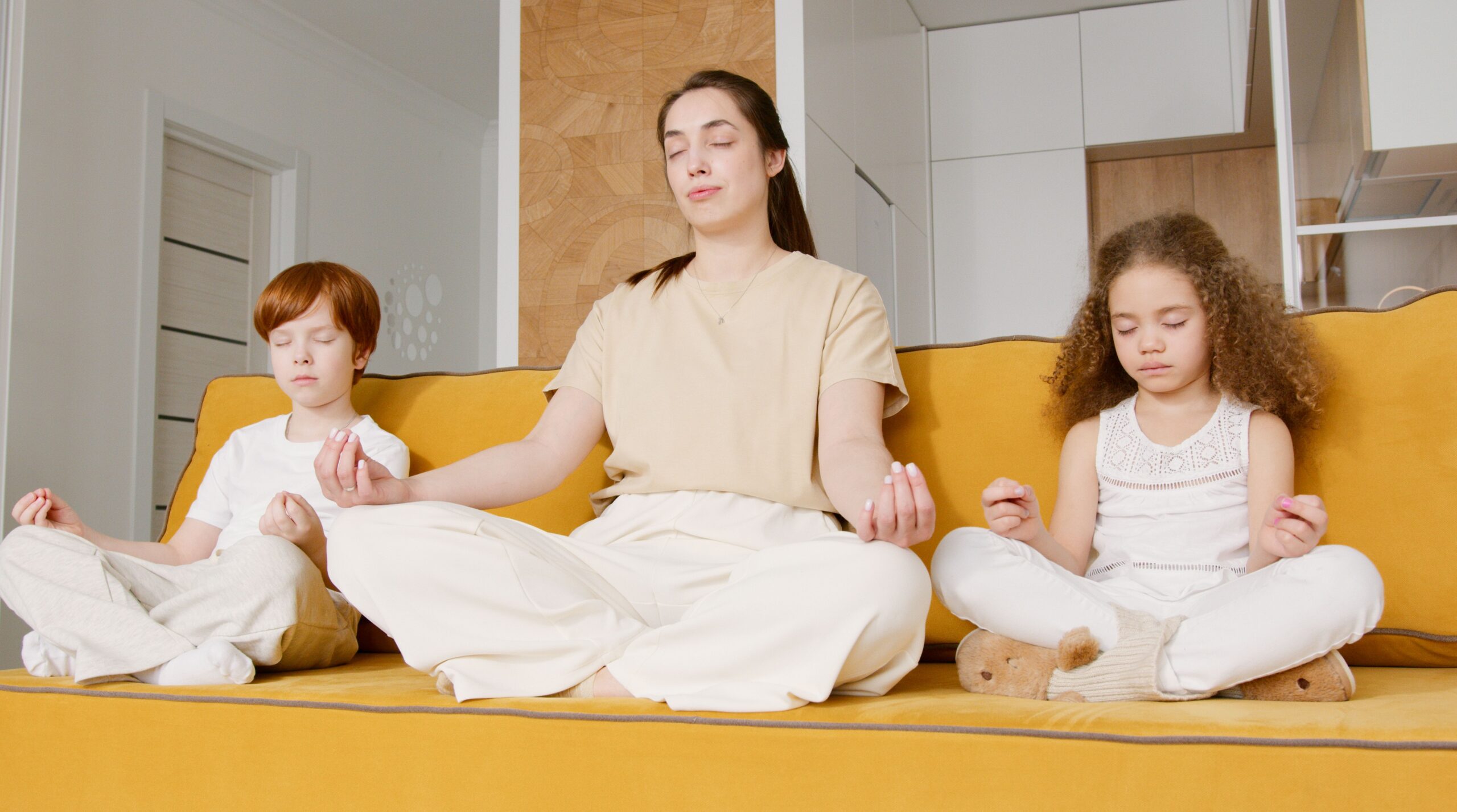
But emotional resilience is built much more often in quiet, ordinary moments. It’s allowing yourself ten peaceful minutes with your morning coffee. Taking a short walk. Asking your partner, a family member, or a friend for help when you genuinely need it. Pausing in the middle of a busy day to ask yourself: How am I feeling right now? What do I need in this moment?
These small moments of self-connection aren’t luxuries. They’re what allow us to return to our children with greater patience, calm, and presence.
We Don’t Have to Be Perfect Parents
There will be days when we lose our patience. Days when we raise our voice. Days when we react in ways we’d rather not. One difficult moment does not define the kind of parent you are. What matters is what happens next.
Instead of carrying guilt as a lifelong verdict, we can return to ourselves with compassion, repair the connection, and begin again. Children don’t need perfect adults. They need adults who have enough emotional space to truly see them, hear them, and love them.
The relationship we have with ourselves shapes every relationship that follows, including the one we have with our children. The more kindness, patience, and compassion we show ourselves, the more naturally we can offer those same gifts to our children. Because before we can build a genuine connection with others, we first have to reconnect with ourselves.
Parenting is not a journey we are meant to navigate alone. If you’re looking for practical tools, and support along the way, explore our Support, Not Perfection program. And if you’d like to expand your knowledge even further, visit our Online Academy where you’ll find a wide range of courses and resources on parenting, child development, and family well-being.
Reference: Salamon, M. (2024). Co-regulation: Helping Children and Teens Navigate Big Emotions. Harvard Health Publishing.