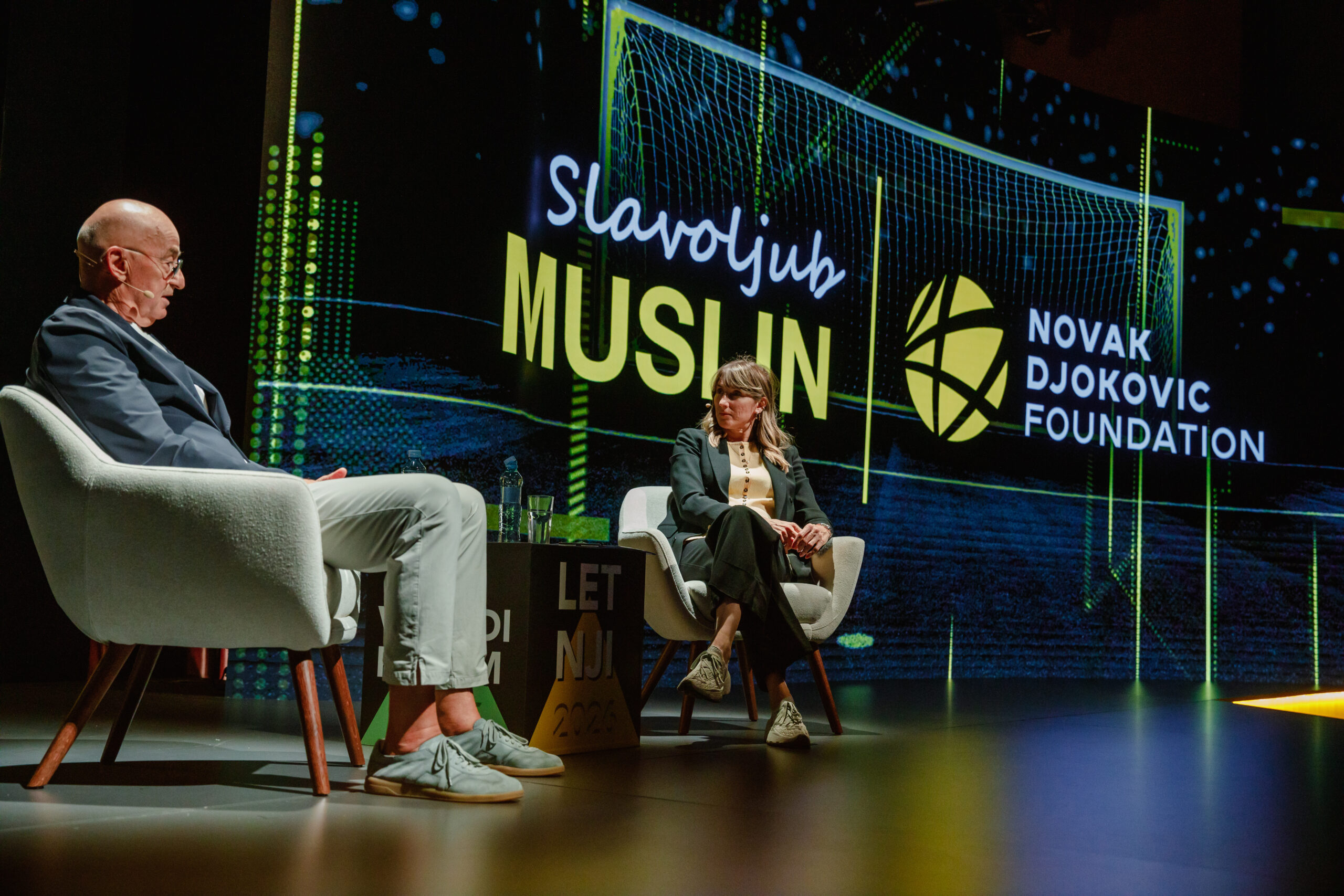

A conversation with Slavoljub Muslin and Ana Jovanović at the Vivaldi Forum.
“Talent gets you started. Work is what takes you further.”
Slavoljub Muslin says this without hesitation, the way you’d expect from a man who has spent decades in locker rooms across Europe, deciding, often unpopularly, who plays and who sits. As one of Serbia’s most respected soccer coaches, Muslin has built a career less on charisma and more on conviction. At this year’s Vivaldi Forum, he sat down with Ana Jovanović, author of our Path of a Champion program and former Serbian Fed Cup representative, for a wide-ranging conversation about leadership, discipline, and what actually shapes a young person into someone capable of both winning and losing well.
Here are the moments that stayed with us:
Ana Jovanović: People often say that talent is everything in sport. Do you agree?
Slavoljub Muslin: Not really. Talent matters, of course, but only to a point. Maybe twenty or thirty percent. Everything else is work. Discipline. Consistency. The willingness to improve every single day.
It’s a claim you hear often from coaches, but Muslin says it plainly, without the usual motivational polish, more observation than slogan. The idea holds up outside of soccer, too: showing up, day after day, tends to matter more than any head start.
“I always believed a coach is also an educator.”
Muslin spent most of his career coaching professional players, but he never saw the job as purely tactical.
“These are young people. They still have so much to learn, not only about soccer, but about life.”
He pointed to Nemanja Vidić as an example: “a player“, he said, “whose leadership was visible long before anyone gave him the captain’s armband.” Talking about his former players now, Muslin’s satisfaction seems to come as much from who they’ve become as what they’ve won.
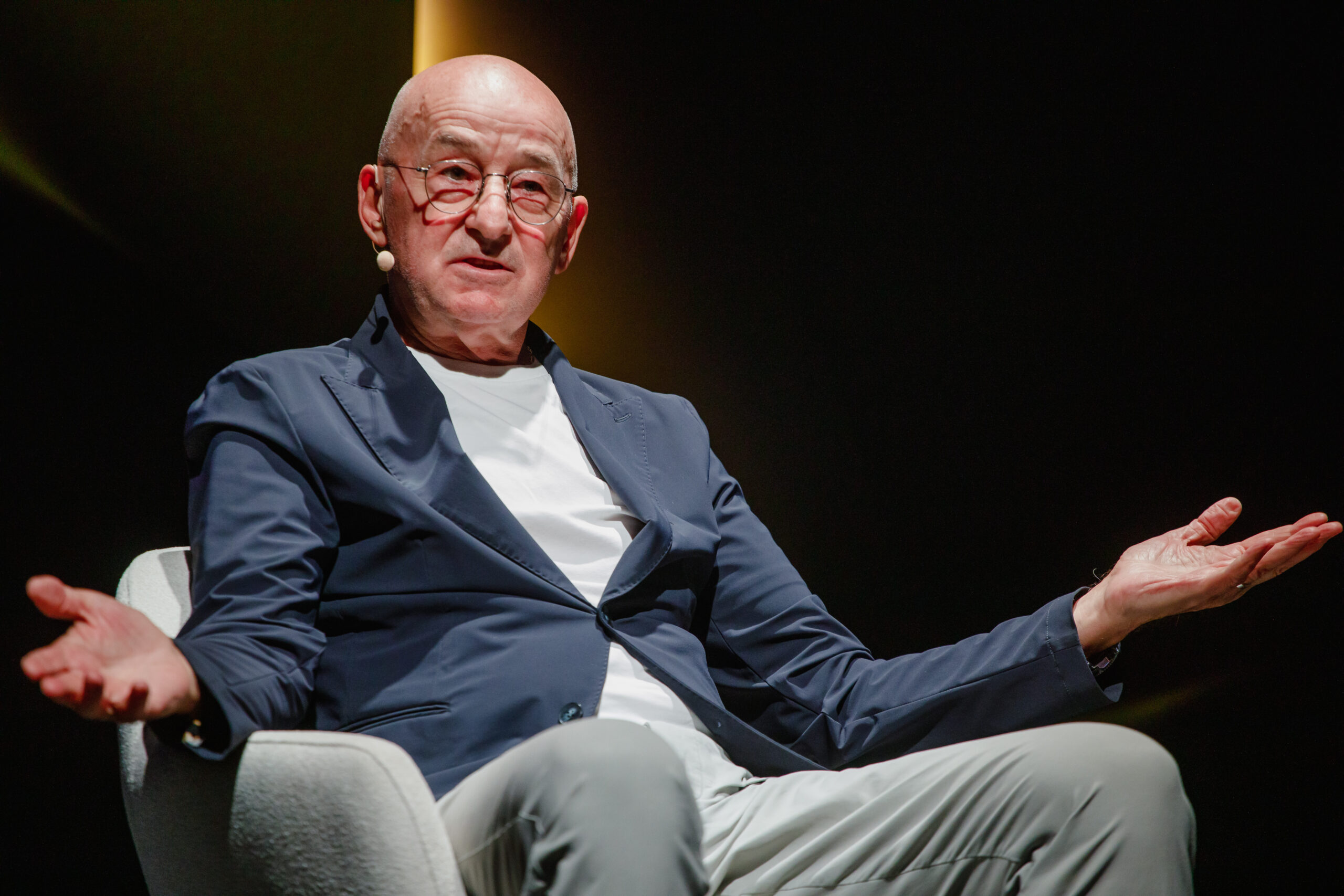
Slavoljub Muslin during Path of a Champion interview at the Vivaldi Forum.
The Choice That Mattered More Than a Contract
The clearest example of that philosophy came from Muslin’s own family, not from the pitch.
When his son was offered the chance to leave school and train full-time in France, Muslin and his wife made a different choice. They insisted he continue his education alongside soccer, even as the demands of the sport grew greater.
“Very few young athletes become elite professionals. Education gives them options.”
His son went on to become a professional soccer player while also earning a university degree.
It’s a decision that lands close to home for the Novak Djokovic Foundation, whose work is built on the same premise: no child’s future should depend on a single path working out. Early access to quality education gives every child a strong foundation to stand on, wherever life may lead.
“Life isn’t made only of victories.”
Muslin believes one of sport’s most underrated lessons has nothing to do with winning.
“Losing well, respecting teammates, staying disciplined when things fall apart, getting back up, these are the lessons”, he argued, “that outlast the scoreline.” Kids carry them long after they have stopped playing the sport that taught them.
What Makes a Leader
Toward the end of the conversation, Ana asked the question that outgrows football entirely: what actually separates a leader from everyone else?
Muslin’s answer was short.
“First, be yourself.”
He talked about surrounding yourself with people who challenge you rather than agree with you, and about earning trust through knowledge rather than demanding it through authority. In a world where leadership is so often about image, his advice comes down to something simpler: be someone worth trusting, not just someone worth watching.
This is only part of the discussion. Muslin also spoke about coaching across Europe, parenting, and the pressures young athletes face today. Watch the complete conversation with Slavoljub Muslin, along with other inspiring talks from the Path of a Champion program on our YouTube channel.
Find out more about our program Path of a Champion, where we sit down with athletes, coaches and parents to talk about what really shapes long-term success, on and off the field.